Deep Tech Task Forces: How ScienceWerx Organizes Around Hard Scientific Problems
Deep tech problems require sustained, interdisciplinary focus — not general-purpose grant programs. ScienceWerx's task force model assembles dedicated expert teams around the most critical unsolved problems in science and engineering.
General-purpose research funding is not well-suited to deep tech. Problems at the frontier of quantum computing, advanced materials, synthetic biology, and fusion energy require something more specific: sustained focus, interdisciplinary integration, and a funding structure that tolerates long development cycles. ScienceWerx's task force model was designed precisely for this context.
A ScienceWerx task force is a dedicated, cross-functional team assembled around a specific high-impact scientific challenge. Each task force includes domain experts drawn from academia, national laboratories, and private research organizations, alongside commercialization advisors, regulatory specialists, and industry partners who understand the eventual deployment context. The task force structure deliberately avoids the principal investigator model that dominates academic research, which tends to produce siloed work and inhibits the cross-disciplinary synthesis that deep tech requires.
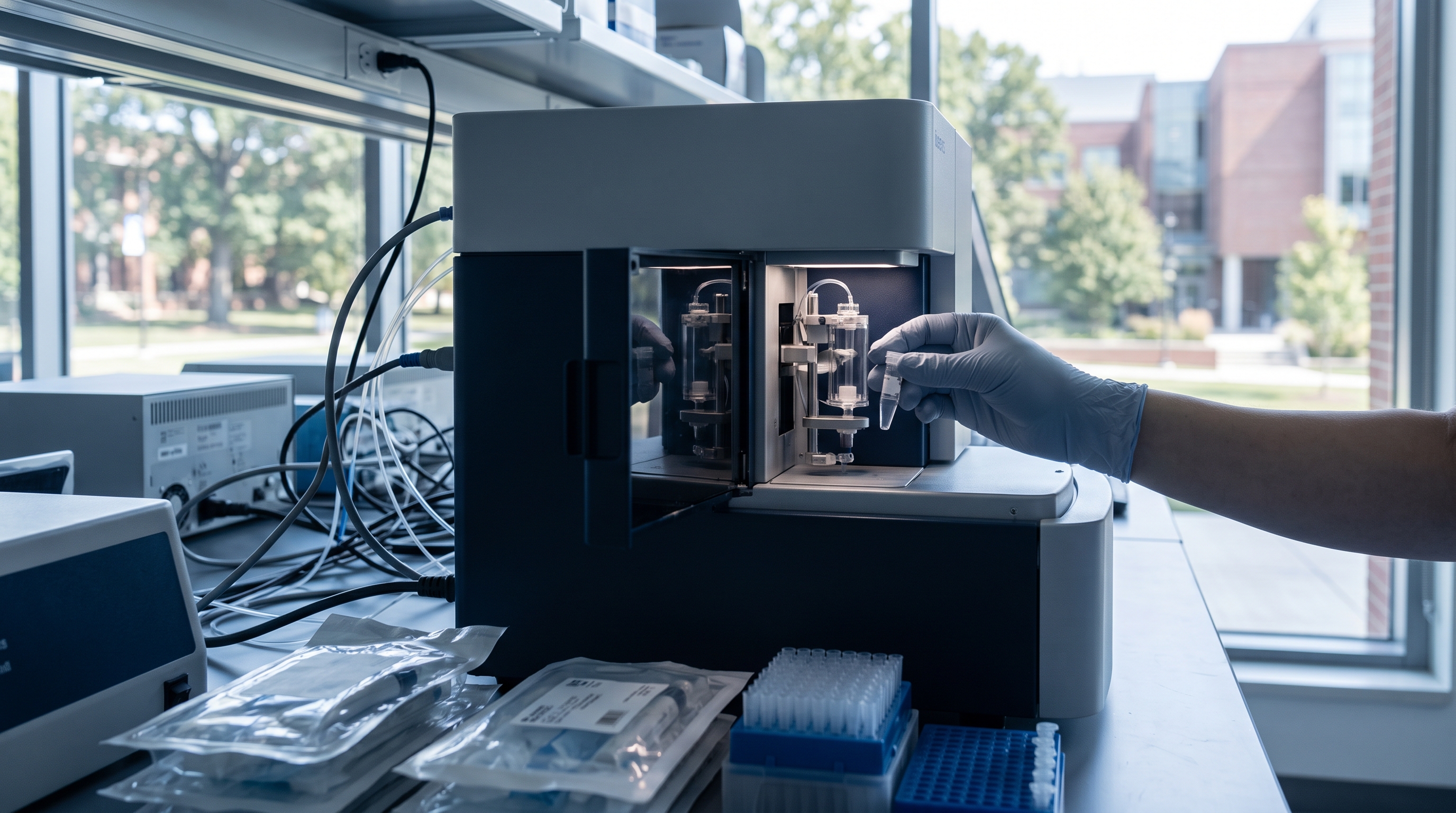
The Deep Technology Task Force currently focuses on three problem clusters: next-generation semiconductor architectures beyond silicon CMOS scaling limits, bioreactor design for cost-efficient continuous fermentation in pharmaceutical manufacturing, and programmable materials with embedded sensing and actuation capabilities. Each cluster has a defined five-year objective, annual milestones, and a commercial deployment pathway built into the research plan from the outset.
Funding for task forces comes from a combination of EverGreen Fund allocations, government research partnerships, and co-investment from industry partners with direct commercial interest in the problem domain. This blended funding model aligns incentives without distorting the research agenda — industry partners contribute capital and application knowledge, while ScienceWerx maintains scientific independence in methodology and publication.
The early results are encouraging. The semiconductor cluster has produced three provisional patents in its first eighteen months, and two of its industry partners have initiated licensing discussions. The bioreactor cluster has attracted a co-investment commitment from a major pharmaceutical manufacturer. These outcomes are not guaranteed — deep tech is genuinely hard — but they validate the structural hypothesis that organized, well-resourced, commercially connected teams outperform isolated academic grants on the path from discovery to deployment.